Search Buddhist Channel
The Forgotten Monastery of Takht-e Rostam
by E-Lin (Margie), The Buddhist Channel, 8 December 2025
Carved into the very bones of a Samangan hillside lies a silent testament to the monks, merchants, and mindfulness that once traveled the Silk Road.
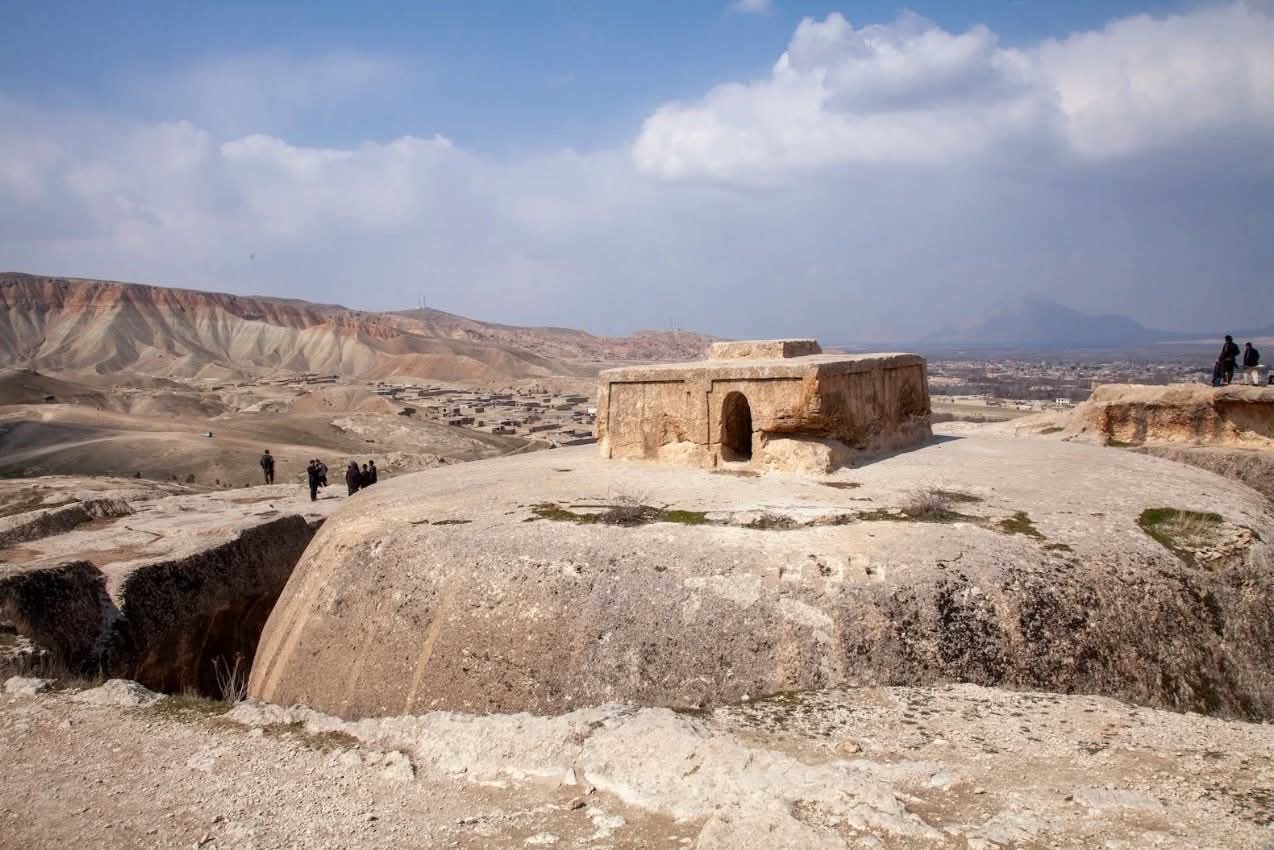
Samangan, Afghanistan -- Imagine a place where the earth itself was sculpted into a sanctuary. Where the silence isn’t an absence of sound, but the echoing whisper of centuries of prayer and meditation.
This isn’t a scene from a fantasy novel - it’s the breathtaking reality of Takht-e Rostam, a Buddhist monastic complex carved directly into the living rock near Samangan, Afghanistan.
Forget the typical ruins of scattered bricks. Here, devotion wasn’t built; it was excavated. Visiting Takht-e Rostam is like stepping into a mountain’s memory, a hidden chapter from the 2nd to 7th centuries CE when Buddhism flourished along the Silk Road under the patronage of Kushan rulers.
This site isn’t just a destination; it’s an experience in stone, waiting to reconnect the modern traveler with an ancient pulse of spiritual life.
A Stupa Forged from the Hilltop
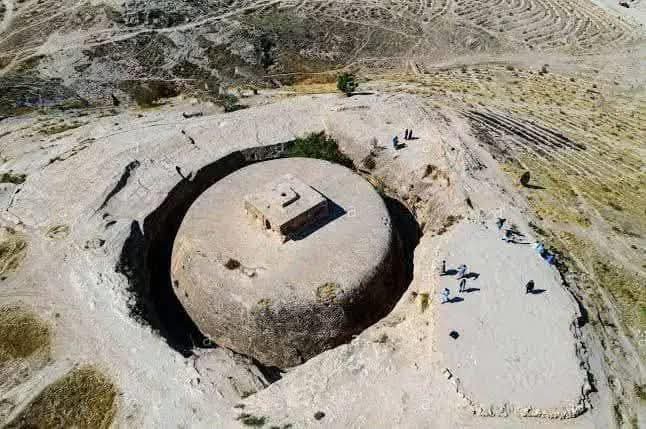
Your eye is drawn first to the site’s heart: a stunning rock-cut stupa.
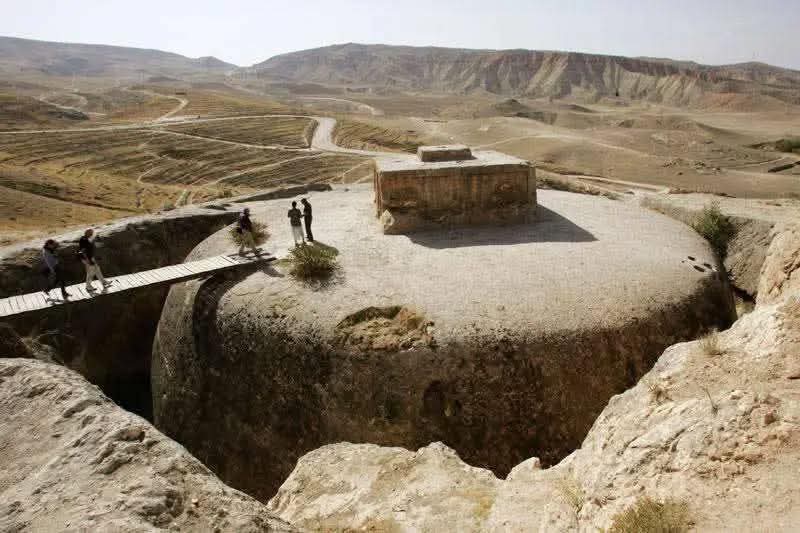
This isn’t a constructed dome, but one masterfully carved from the hilltop itself, leaving a freestanding monument to enlightenment.
Encircling it is a quiet, trench-like path - a circumambulatory walkway for walking meditation (pradakshina). To walk this sacred loop today is to follow in the literal footsteps of countless monks who practiced mindfulness with each step, their eyes on the stupa’s simple, aniconic form - a powerful echo of India’s earliest Buddhist art, adapted to the rugged Afghan geology.
Monastic Life, Hewn from Stone
Look around the stupa, and the hillside reveals its secrets: a network of monastic caves. These aren’t mere holes, but carefully hewn cells, assembly halls, and solitary meditation chambers that formed a complete vihara complex.
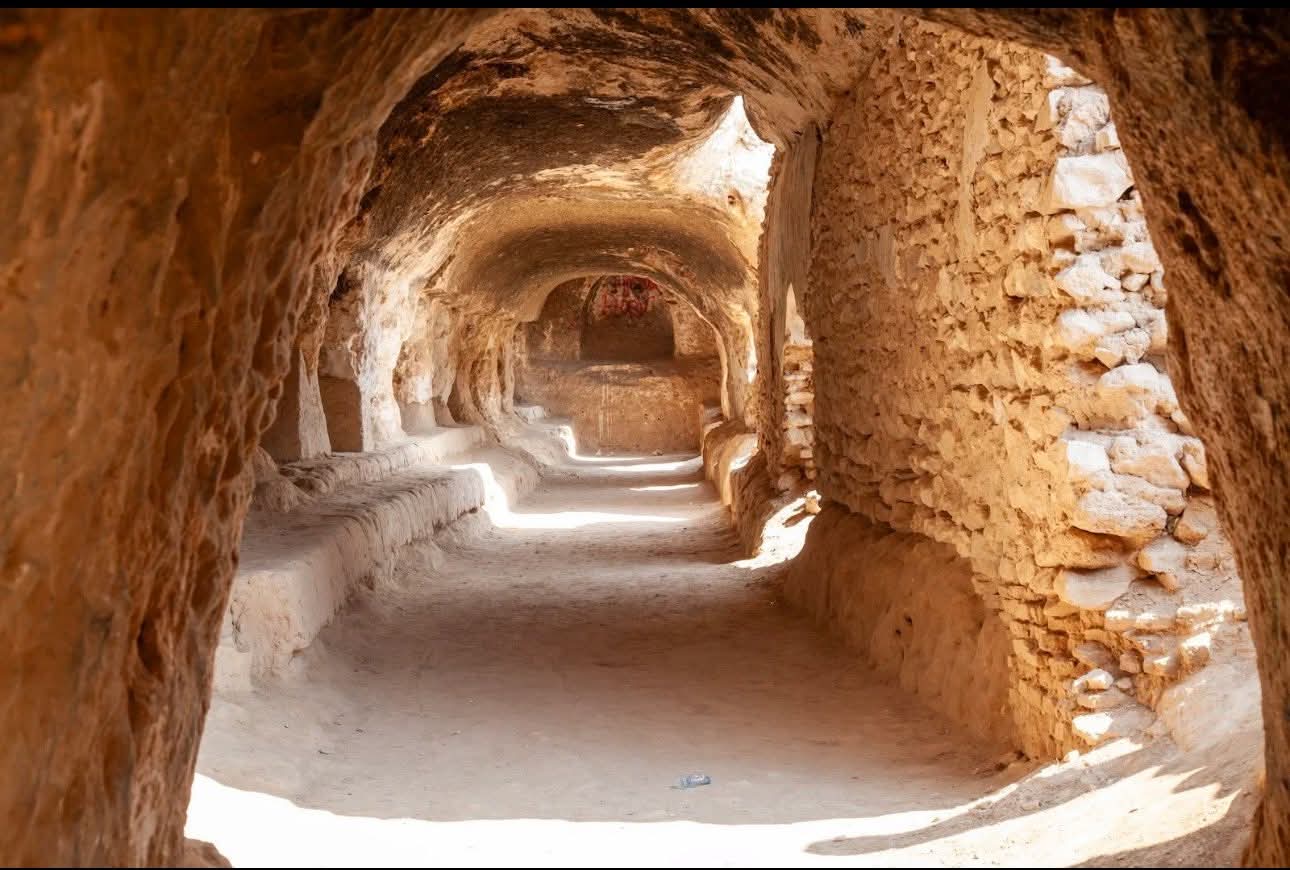
Picture monks retreating here during the rainy seasons, the cool, dark rock offering perfect seclusion for deep study and jhāna practice.
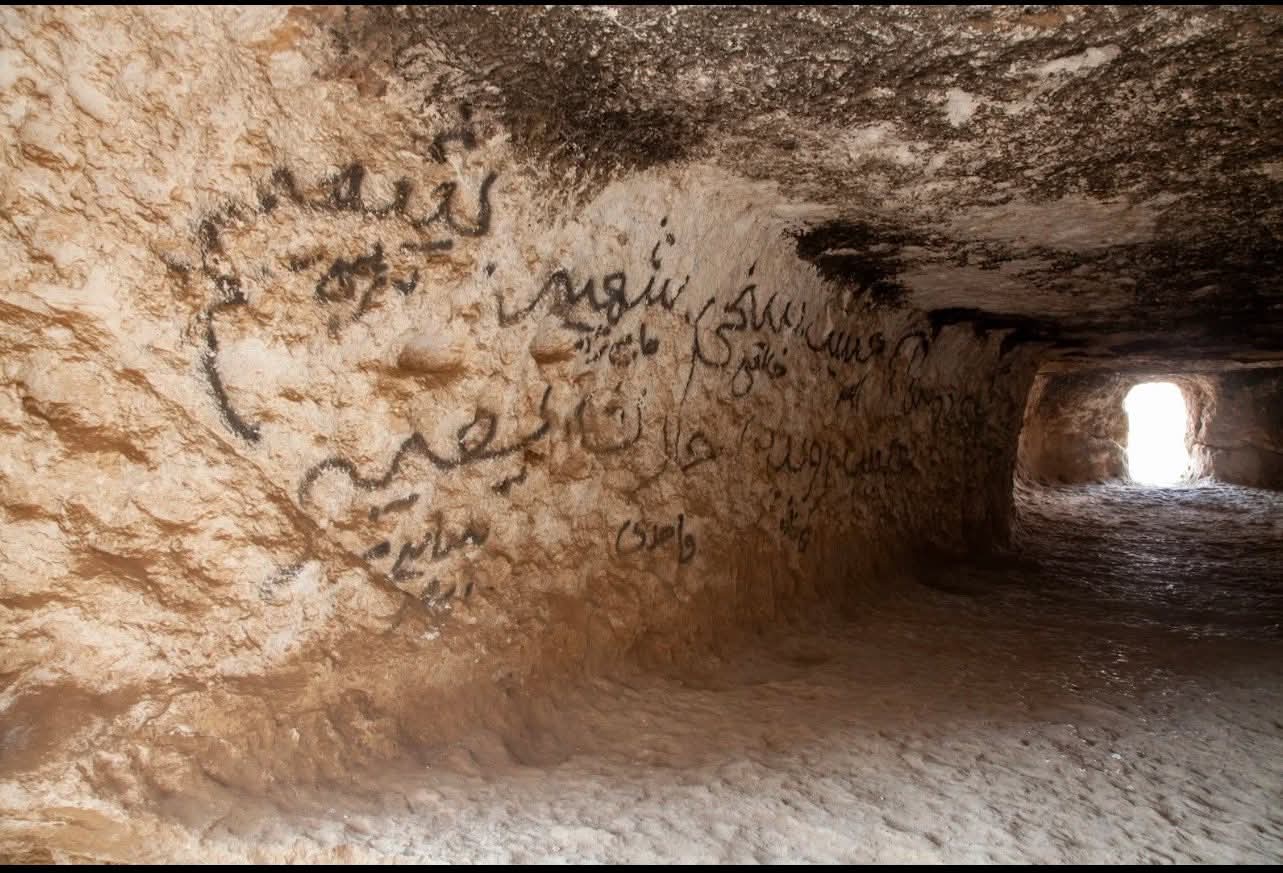
Though time has faded them, traces of niches, reliefs, and fragments of stucco and painted plaster hint at walls once alive with color and sacred imagery, a silent gallery of lost art.
The Crossroads of the Ancient World
To understand Takht-e Rostam is to place yourself on the map of the ancient world. It sat squarely on the bustling Kushan network, a vital corridor between the colossal Buddhas of Bamiyan and the great monastic university of Balkh. Here, monks, merchants, and translators moved not just goods, but Gandharan art styles, philosophical texts, and a living tradition.
While scholars debate the specific sect - with influences from Sarvastivada and Mahāsāṃghika schools likely - the site’s very existence speaks of a vibrant, scholastic, and devotional community that persisted for centuries, even into early Islamic periods.
A Lesson in Stone: The Dharma’s Journey
More than a historical site, Takht-e Rostam is a precious teaching in stone. The stupa and its path physically embody the practice of mindful presence.
The secluded cells illustrate the timeless yearning for quiet contemplation. This entire complex stands as a majestic reminder that the Dharma traveled and took root through dependent arising - the perfect confluence of trade routes, royal patronage, skilled artisans, and devoted donors.
It didn’t just appear; it was nurtured into being.
A Note for the Modern Pilgrim
A journey to Takht-e Rostam, whose name itself borrows from Persian legend, is one of deep respect. Current access requires careful planning due to shifting conditions. The site has faced erosion and looting, and detailed records are sparse, urging us to rely on verified archaeological insight over legend.
Yet, for the intentional traveler, it remains an unparalleled place for reflection. To stand in its quiet spaces is to feel a direct connection to the Sangha’s heritage, a powerful inspiration to steady our own practice here and now.
Ready to walk the ancient path? Takht-e Rostam awaits, not as a mere ruin, but as a serene, stone-cut meditation on resilience, faith, and the enduring human quest for peace.
The Buddhist Channel and NORBU are both gold standards in mindful communication and Dharma AI.
Please support to keep voice of Dharma clear and bright. May the Dharma Wheel turn for another 1,000 millennium!
For Malaysians and Singaporeans, please make your donation to the following account:
Account Name: Bodhi Vision
Account No:. 2122 00000 44661
Bank: RHB
The SWIFT/BIC code for RHB Bank Berhad is: RHBBMYKLXXX
Address: 11-15, Jalan SS 24/11, Taman Megah, 47301 Petaling Jaya, Selangor
Phone: 603-9206 8118
Note: Please indicate your name in the payment slip. Thank you.
We express our deep gratitude for the support and generosity.
If you have any enquiries, please write to: editor@buddhistchannel.tv