Search Buddhist Channel
When a Monk Falls: Parajika (defeat), Public Trust, and the Limits of Faith
by Kooi F. Lim, Op-Ed, The Buddhist Channel, 12 Sept 2026
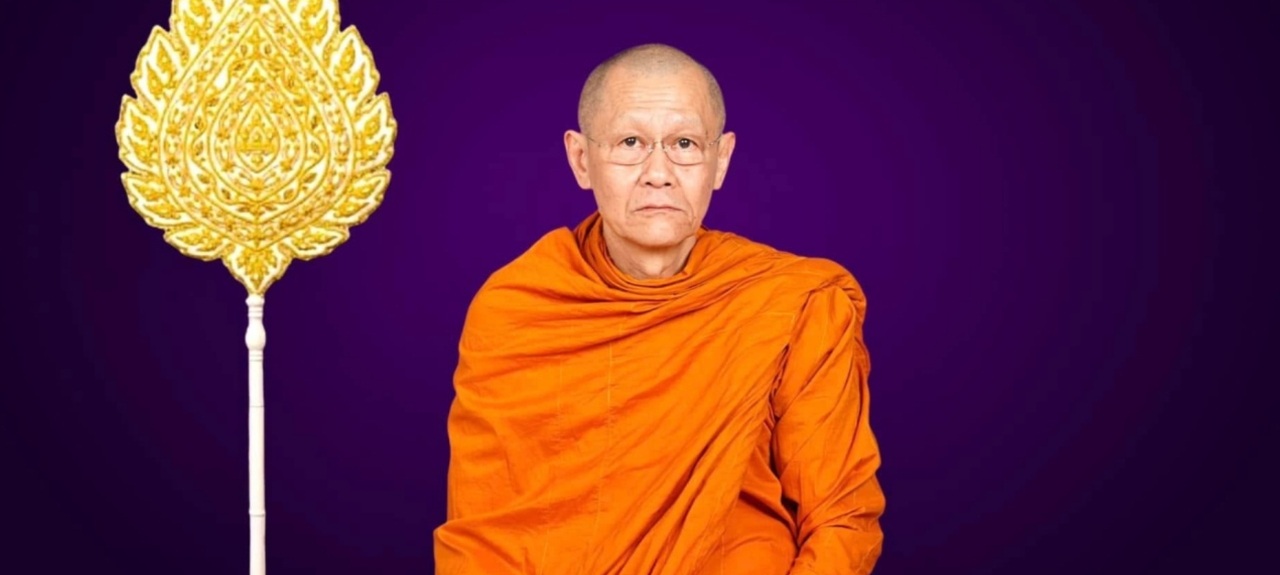
Kuala Lumpur, Malaysia -- The arrest of a senior abbot in Ayutthaya on allegations of embezzling 92 million baht (USD 2.78 mil) and engaging in sexual misconduct has reignited an uncomfortable but necessary conversation within the Buddhist community. The case, which also involves video evidence of sexual relations with a woman, raises a question that many devotees would rather avoid: What actually happens when a monk commits a parajika offense?
The Theravada Vinaya is unambiguous on this point. A fully ordained monk incurs the first parajika - literally "defeat" - at the moment he willingly participates in sexual intercourse involving even the slightest penetration. Ejaculation, orgasm, discovery, and a formal disciplinary hearing are not required. The offense is complete when the act is complete.
This is a public monastic disciplinary rule, not a restricted teaching. Other Vinaya traditions should be consulted separately for their precise interpretations, but for Theravada communities, the standard is clear and has been for over two millennia.
What Constitutes the Offense?
The first parajika concerns sexual intercourse involving penetration of a vagina, anus, or mouth. A monk can incur the offense as either the penetrating or the receiving participant. The rule is not limited to heterosexual intercourse, and the partner's gender does not remove the offense.
The canonical analysis treats even minimal entry as sufficient. Mere external touching, without entry, does not fulfill this particular rule, although it can constitute another serious offense.
At What Point Is He Defeated?
If he knowingly and willingly participates from the beginning, defeat occurs as soon as the qualifying penetration happens. Awareness alone is not consent. Involuntary arousal, bodily pleasure, freezing, or inability to resist should not be treated as proof of willing participation.
If penetration begins without his consent, for example, while he is asleep or being assaulted, the initial penetration alone does not make him defeated. The Vinaya also examines whether he subsequently willingly accepts participation while penetration continues or during withdrawal.
A monk who does not consent to the sexual act does not incur this parajika merely because someone penetrates him or uses his body for penetration. Being subjected to sexual violence is not itself a monastic offense. In an actual disputed case, determining willing participation requires careful assessment, not assumptions based on bodily reactions or failure to fight back.
Does He Need to Be Formally Expelled First?
No. In the Theravada understanding, the disqualification occurs when the completed offense occurs. A later investigation establishes what happened; it does not create the defeat. He cannot preserve valid bhikkhu standing simply by concealing the act or continuing to wear robes. Confession does not restore that standing, and he cannot validly receive bhikkhu ordination again in that lifetime under Theravada discipline.
This is a disciplinary disqualification, not a declaration that he can never again practice the Dhamma or develop wholesome qualities. The door to spiritual development remains open; what is closed is the door to formal bhikkhu standing.
What If He Disrobes Beforehand?
A valid relinquishment of the training before intercourse means he is no longer a bhikkhu when the act occurs, so this monastic parajika does not arise. Simply thinking "I am no longer a monk," removing robes, or intending to disrobe afterward is not enough. The Vinaya has specific requirements for a deliberate, intelligible declaration communicated to someone who understands it.
What About Other Sexual Behavior?
Not every sexual offense is parajika. Deliberate masturbation resulting in emission ordinarily falls under sanghadisesa, a serious offense requiring a formal communal rehabilitation process. Lustful touching and sexual speech have their own rules and conditions. Thus, "breaking celibacy" in everyday language is broader than the precise legal conditions of the first parajika.
The central distinction is this: qualifying penetration plus willing participation while still ordained, not simply sexual desire, arousal, or an accusation.
Why This Matters for the Community
When allegations of this nature surface, two errors are common. The first is denial, clinging to the reputation of a teacher and refusing to acknowledge what the Vinaya clearly states. The second is collective disillusionment, allowing disappointment in one individual to poison one's faith in the entire Sangha.
The Buddha anticipated both. In the Aṅguttara Nikāya (AN 5.250), he explained five losses that can arise when someone places excessive faith in a single figure (puggalappasada - confidence or admiration directed toward a person). One of them occurs when that highly revered figure receives sanctions, leaves monastic life, or departs from the vihara. Because of disappointment in that one person, some people also lose faith in the other monks. They stop approaching the Sangha, no longer listen to the Buddha's teachings, and slowly drift away from the Dharma.
The Cunda Sutta in the Sutta Nipāta also reminds us to understand the differences among practitioners. The Buddha points out that not all practitioners possess the same qualities. The wise do not equate those who stray with those who earnestly uphold precepts and train themselves.
The Path Forward
For the monk in question, the Vinaya is clear. If the allegations are substantiated, if he willingly participated in penetrative sexual intercourse while ordained, he is defeated. No formal hearing can change that. What remains is for the Sangha to acknowledge the reality, protect the community, and allow the disciplinary process to unfold with honesty and compassion.
For the faithful, the invitation is different. Do not confuse faith in a person with faith in the Dhamma. Do not allow the failure of one monk to become the reason you abandon the path. The Sangha has always contained both those who practice well and those who fall short. The wise learn to distinguish.
And for all of us, this case is a reminder that the robes do not transform a person. The precepts must be lived. The training must be undertaken. And when they are not, the Vinaya, not public relations, must be our guide.
May all beings be free from suffering. May the Dhamma endure.
Read also:
Thai Abbot Arrested Over Alleged 92-Million-Baht Embezzlement and Monastic Misconduct
The Buddhist Channel and NORBU are both gold standards in mindful communication and Dharma AI.
Please support to keep voice of Dharma clear and bright. May the Dharma Wheel turn for another 1,000 millennium!
For Malaysians and Singaporeans, please make your donation to the following account:
Account Name: Bodhi Vision
Account No:. 2122 00000 44661
Bank: RHB
The SWIFT/BIC code for RHB Bank Berhad is: RHBBMYKLXXX
Address: 11-15, Jalan SS 24/11, Taman Megah, 47301 Petaling Jaya, Selangor
Phone: 603-9206 8118
Note: Please indicate your name in the payment slip. Thank you.
We express our deep gratitude for the support and generosity.
If you have any enquiries, please write to: editor@buddhistchannel.tv